Fewer Than 1,000 Followers Doesn't Stop UGC Creators From Getting Paid
 Mohit Kumar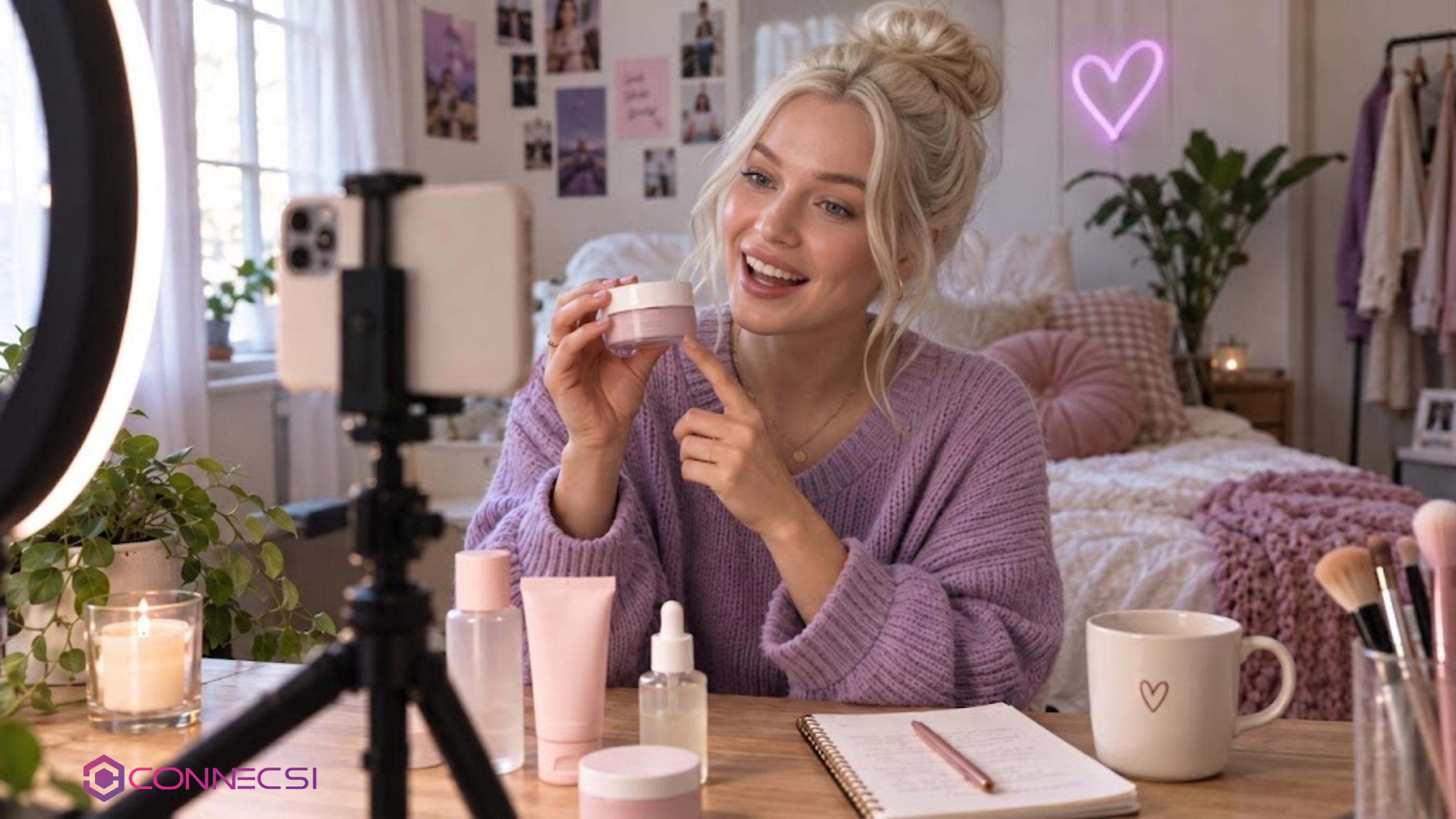
Here's the trap almost every new creator falls into. You want content creation to become a real income, maybe even your main one. But every platform monetization program — ad revenue, creator funds, brand deals through your own account — needs an audience you don't have yet. YouTube's Partner Program wants subscriber and watch-hour thresholds. TikTok's Creator Rewards Program wants tens of thousands of views. Traditional brand sponsorships mostly start showing up once you're in the thousands of followers, and even then, brands want proof your audience is real and engaged before they'll pay. So you're told to build first, monetize later. Post consistently. Grow the following. Then, eventually, the money follows.
Except growing an audience takes months or years, produces no income along the way, and has no guaranteed payoff at the end. That's the chicken-and-egg problem that quietly kills most people's creator ambitions — not lack of talent, but the fact that the only path anyone tells you about requires capital (time, mostly) you don't have. Some people grind through it anyway, treating the early unpaid months as an investment in a following that may or may not pay off. Most either drop out a few months in, discouraged by watching effort go in with nothing coming back, or never seriously start at all, stuck calculating a runway they don't have. There's a third option nobody mentions: a path where the income doesn't wait for the audience.
Don't wait to "earn the right" to get paid through growth. There's real, paid work available to you today that has nothing to do with your follower count — you just need to know it exists.
Download the UGC Brand Outreach Starter Kit
A brand research tracker to find and qualify companies worth pitching, plus ready-to-copy email, DM, and follow-up templates — fill in the brackets and send.
UGC Brand Outreach Starter Kit
We respect your privacy. No spam, ever.
The Reveal: What This Work Actually Is
It's called UGC — user-generated content — and it works completely differently from traditional influencing. When you post as an influencer, a brand is paying to borrow your audience: your face, your following, your reach. UGC flips that. A brand pays you to create content — a demo, an unboxing, a testimonial — that they post on their own channels: their Instagram ads, their TikTok Shop, their product page. Your account, and your follower count, never enters the transaction at all.
That single structural difference is why the audience requirement disappears. The brand isn't buying access to people who follow you. They're buying your ability to make content that looks and feels native to their platform — nothing more. Next time you scroll past an ad that looks like a normal post rather than a polished commercial — someone talking directly to camera about a product, filmed on what looks like their own phone — there's a real chance you're watching UGC. The person in that video may have a few hundred followers or none publicly at all; the brand paid for the clip itself, then ran it through their own ad account to their own audience.
Why This Breaks the Chicken-and-Egg Problem
Remember the trap from the intro: you can't earn without an audience, and you can't build an audience without time you don't have. UGC is the way out, because the income no longer depends on the thing you don't have yet. You can start today, with the following you have right now, while your audience — if you're building one at all — grows on its own timeline in the background.
This isn't a loophole or a workaround — it's how major dedicated UGC platforms are actually built. According to a 2026 platform-by-platform comparison, most content-only UGC marketplaces — including Billo, JoinBrands, Collabstr, Twirl, and Cohley — require no minimum follower count at all. Brands on these platforms hire based on your ability to create content, not your reach. Independent platform reviews confirm the same pattern across the space. Worth knowing honestly, though: this isn't universal. That same comparison found Insense requires roughly 1,000 Instagram followers or 500 median TikTok views, and Aspire's UGC arm asks for around 2,500 Instagram followers. So the accurate picture is "most platforms, not all" — but even the exceptions set a bar far lower than what a traditional brand sponsorship deal requires.
One more honest caveat worth having, since it's easy to overstate this: a 2026 CreatorIQ survey of over 5,000 creators found that follower count still correlates more strongly with pay than engagement rate does — across the creator economy broadly. That's real, and it's not a contradiction of anything here. That survey mostly reflects income tied to your own audience: sponsored posts on your account, ad-revenue share, affiliate links. UGC sits outside that entirely, because the brand was never paying for access to your audience in the first place. It's not that follower count stopped mattering everywhere — it's that this specific path never depended on it to begin with, which is exactly why it works as a way in before you have one.
What Actually Gets You Paid Instead
If it's not your follower count, what is it? Almost universally: a small portfolio of sample content. Most platforms — and most brands pitched directly — expect to see 3 to 5 sample videos before they'll trust you with paid work. That's it. No audience, no track record, no portfolio of past brand clients required to start — just proof you can shoot something usable.
The equipment bar is just as low: a recent smartphone, a ring light or a well-lit room, and a quiet space to film. If you can produce a clean, well-lit 30-second video, you already have what the first tier of paid work requires. What separates a sample that gets you booked from one that doesn't isn't production value — it's whether the video feels like something a real customer would post, not a polished commercial. Steady handheld footage, natural talking pace, and a clear view of the product usually beats an over-edited, heavily filtered clip, because brands are specifically trying to replicate the authenticity of a genuine recommendation, not recreate a traditional ad.
Don't have five sample videos yet? Pick a product you already own and like, and create them on spec before you ever contact a single brand. Film a simple unboxing, a quick demo, and a short testimonial-style clip — three formats covers most of what brands typically ask for, and gives you something concrete to attach the first time you reach out.
How to Actually Approach a Brand
Once you have a few sample videos, the next step is finding brands worth pitching and reaching out with something more specific than "would you be open to collaborating?" This is exactly what the starter kit above is built for: the Brand Research Tracker helps you build a shortlist and confirm a brand actually buys creator content before you pitch (checking their Meta Ad Library for native-feeling video ads is the fastest signal), and the Outreach Templates give you a structured first message, a short DM version, and a follow-up to send if you don't hear back in a week.
The pitch that works isn't the one that sounds most polished — it's the one that's specific. Naming the exact product you'd feature and proposing a sample instead of asking permission to exist is what separates a reply from a message that gets ignored. Compare "I'd love to collaborate" against "I've been using your overnight moisturizer and think it'd make a strong 30-second demo — happy to send a free sample video so you can see the fit." The second version gives the brand something concrete to say yes to, instead of an open-ended question they have to think about before responding.
Aim for genuine familiarity over volume. A brand you actually use, in a niche you actually understand, will read as more credible than a generic pitch blasted to fifty companies you've never tried — and it shows in the sample video itself, not just the message. Fifteen to twenty well-researched pitches, sent to brands you can speak to specifically, will consistently outperform a much larger batch of copy-pasted outreach. Once you land a deal, knowing how to negotiate the terms matters just as much as landing the pitch in the first place — and once you're juggling a few clients, understanding what brands actually screen for helps you present yourself the way they're already evaluating you.
- UGC content is made for a brand's own channels, not posted to your account — which means your follower count isn't part of the transaction at all.
- Most major UGC platforms (Billo, JoinBrands, Collabstr) set no follower minimum for standard work — though not all do; Insense and Aspire's UGC arm are exceptions with modest thresholds.
- What actually gets you paid is a small portfolio — typically 3 to 5 sample videos — not an audience or a track record.
- Basic equipment is enough to start: a smartphone, decent lighting, and a quiet space to film.
- The chicken-and-egg trap (no income without an audience, no audience without time you don't have) has a real way out: UGC income doesn't wait for your following to grow.
- A specific pitch naming the exact product beats a generic "let's collaborate" message every time.
Check What Your Content Could Actually Earn
Before you pitch a single brand, there's something worth doing first: check your Aura Score, Connecsi's free creator scoring tool — it now estimates your potential UGC earnings, live today for Instagram and YouTube (TikTok is coming soon). There's no follower threshold. If you've got a real Instagram or YouTube account — even one you barely post to — you can run it right now and get an actual number to work from, built from industry benchmarks adjusted for your specific profile and country.
That number won't land you a deal by itself — the pitch and the sample videos still do the real work. But going into outreach with a realistic sense of your own range beats guessing, and it takes less time than filming your first sample video.
The Fuller Picture: What's Coming Next
Researching brands one at a time and cold-pitching each one works, but it's slow. Here's where this gets simpler: once Connecsi's marketplace opens, you'll be able to create a free account, publish your UGC packages and portfolio directly on the platform, and let brands who are actively searching for creators find you first — no cold outreach required. On top of that, Connecsi's own team runs managed campaigns for brand clients directly, actively sourcing and curating creator matches for them — so being in the system early means you could get approached with real, paid work before the self-serve side even fully opens.
Up next in this series: what brands actually look for when they're deciding whether to pay a creator with no track record, and the full range of ways creators are building real income beyond a single revenue stream.
Join the waitlist now to be first in line when it launches: connecsi.net/waitlist
Editorial note: Brand names, logos and trademarks referenced in this article belong to their respective owners. Connecsi is not affiliated with or endorsed by the brands, creators or individuals discussed unless explicitly stated otherwise. References are made for editorial, educational, analytical and commentary purposes.
More insights for you.
What Your Favorite Creators Actually Earn: Inside the Highest Paid Creators of 2026
MrBeast made $300M. Another creator made $31M from just 10 million followers. Here's what the top 10 actually sell, and the do's and don'ts to borrow.
Your UGC Portfolio: You Need 5 Videos Before Any Brand Will Pay You
Most new creators pitch with nothing attached and blame a saturated market. Five sample videos changes every conversation. Here's exactly what to shoot.

Influencer Marketing Attribution: Why You Still Can't Prove What Worked
Your finance lead asks which sales came from creators. Most brands can't answer. Here's why the tracking breaks, and the stack that actually holds up.
Fresh insights.
Straight to your inbox.
- Creator partnerships
- Campaign guidance
- Industry insights